The allure of gambling: Understanding attraction
The psychology of gambling is deeply rooted in the thrill and excitement it evokes. For many, casinos are not just places to wager money but environments that offer an escape from the mundane routines of daily life. The bright lights, vibrant sounds, and the atmosphere of anticipation create an irresistible allure, drawing individuals into a world where they can experience adrenaline rushes far removed from their everyday experiences. If you’re interested in the details of this phenomenon, you can find out more here.
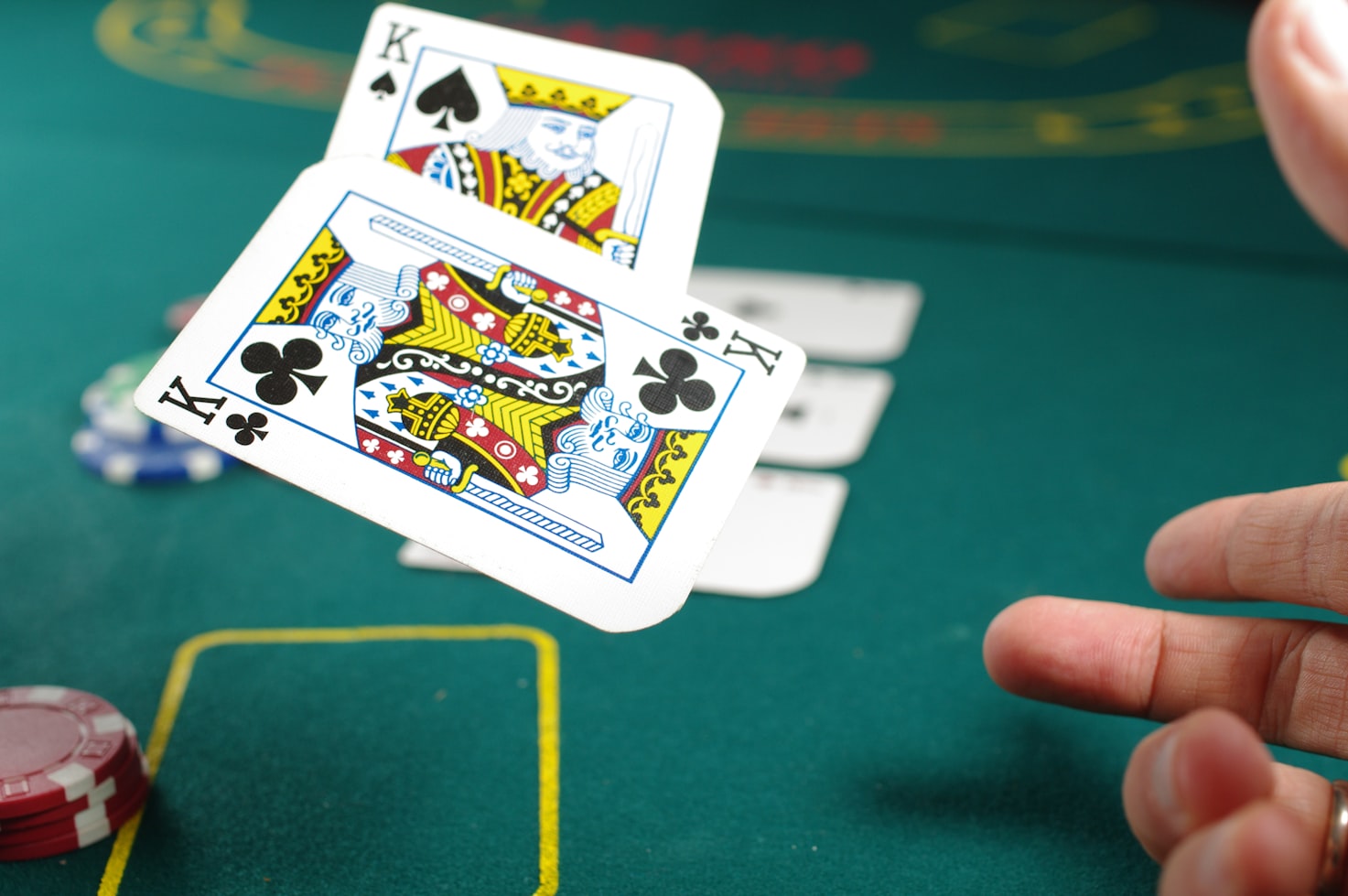
Furthermore, the sights and sounds in casinos are meticulously designed to engage the senses and keep players immersed. Every aspect, from the layout of the gaming floor to the design of the slot machines, serves to heighten the emotional experience of gambling. This carefully curated environment plays a significant role in fostering compulsive gambling behavior, as players become entranced by the prospect of winning and the emotional highs that accompany it.
The role of cognitive bias in gambling
Cognitive biases significantly impact how individuals perceive and engage with gambling. One of the most notable biases is the “illusion of control,” where players believe they can influence the outcome of a game through skill or personal strategy. This belief encourages continued gambling, as individuals are more likely to return, convinced that they can beat the odds through sheer will or technique. Unknown to many, this perception can lead to substantial financial losses.
Additionally, the tendency to engage in “gambling fallacies,” such as the belief that past outcomes influence future results, also plays a critical role. Players may feel that after a series of losses, a win is more likely to occur, prompting them to gamble more. This skewed perception of probability leads many to chase losses and ultimately contributes to the escalation of gambling behavior, often culminating in addiction.
The impact of social influences on gambling behavior
The social aspect of gambling cannot be underestimated, as peer influence and social interactions significantly shape individuals’ gambling habits. The environment in casinos promotes socialization, where players often share their experiences and outcomes with one another. This interaction can create a communal sense of excitement, encouraging behaviors that may lead to increased gambling.
Moreover, the presence of friends or family can either reinforce or deter gambling behavior. A supportive group may lead to an increase in participation, while disapproval may cause individuals to gamble in secrecy, potentially exacerbating problematic behaviors. Social norms surrounding gambling can shift perceptions, making it more acceptable or entertaining, further driving individuals into casinos.
The psychological consequences of gambling
Engaging in gambling has profound psychological consequences, particularly when it leads to addiction. The excitement of winning can trigger a dopamine rush, reinforcing gambling behavior and creating a cycle that is difficult to break. As individuals chase that exhilarating feeling, they may find themselves caught in a web of financial, emotional, and psychological distress.
Additionally, compulsive gambling can lead to significant mental health issues, including anxiety, depression, and isolation. The stigma surrounding gambling addiction often prevents individuals from seeking help, perpetuating a downward spiral. Understanding these psychological consequences is essential for both individuals and communities to create supportive environments for recovery and responsible gambling.
Your resource for more insights on gambling behavior
While this article has explored the various psychological dimensions of gambling behavior in casinos, there is always more to learn. Understanding the intricate motivations and consequences behind gambling can provide valuable tools for individuals looking to approach this activity responsibly. Knowledge and awareness are paramount in preventing harmful behaviors and encouraging healthier choices.
Your journey into the psychology of gambling does not have to end here. Engaging with communities, seeking professional guidance, or simply reflecting on personal experiences can further enhance your understanding. Remember that awareness can lead to healthier relationships with gambling, turning what can be a risky activity into a controlled and enjoyable experience.